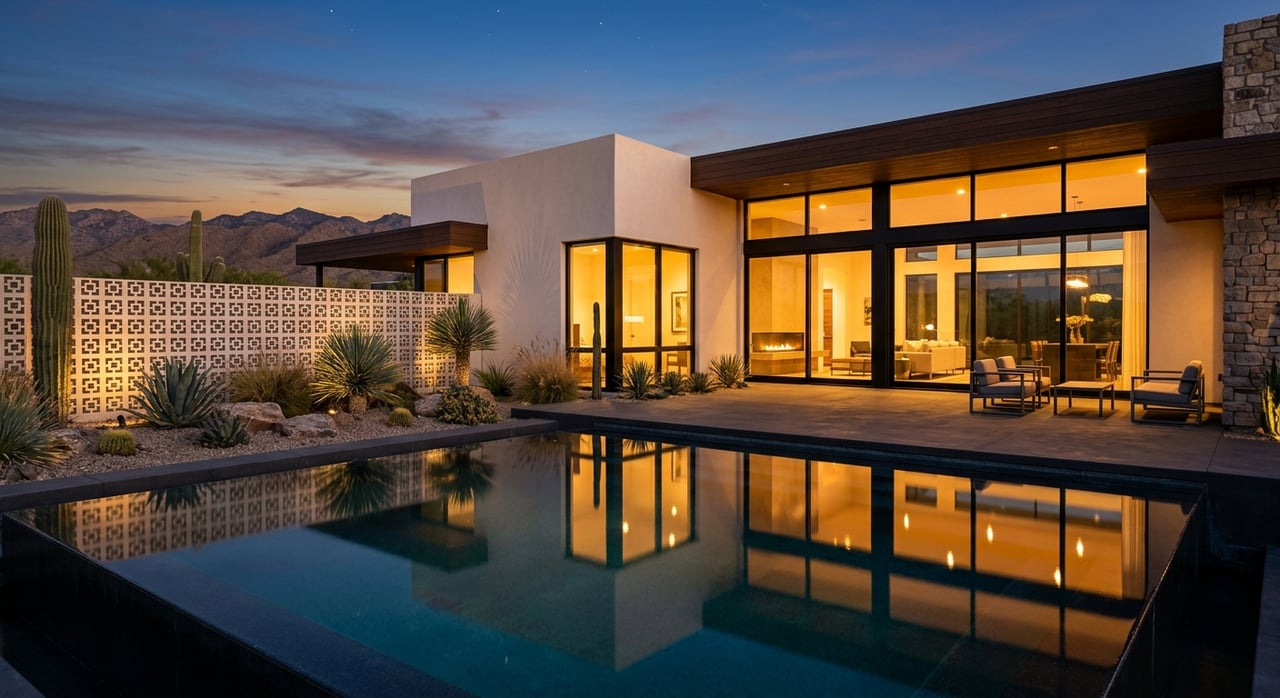
Indio Short Term Rental Homes: What to Review First
May 21, 2026
May 21, 2026
Thinking about buying an Indio home for short-term rental use? It can be an appealing play in a city known for major event traffic, seasonal demand, and large group travel, but the right purchase is about much more than a pretty pool and a strong weekend rate. If you want a property that works both financially and operationally, you need to weigh city rules, HOA restrictions, carrying costs, and the home’s layout before you close. Let’s dive in.
Indio has a clear visitor story. The city says nearly 1.4 million people visit each year for festivals, and its event calendar highlights major activity in January, February, April, November, and December.
April stands out in particular because Coachella and Stagecoach are concentrated in the spring. Combined with the area’s milder winter and spring temperatures, that creates a market where booking demand is likely to be stronger during cooler months and peak event periods.
Current market data also shows how established the local STR landscape is. AirDNA’s Indio snapshot reports 2,930 active listings, 44% occupancy, a $611.9 average daily rate, and $42.8K in annual revenue.
That same snapshot suggests Indio is largely a whole-home market. About 95% of listings are entire homes, and a meaningful share are larger properties with four or more bedrooms, which matters when you start evaluating what kind of home is most likely to fit local guest demand.
Before you think about décor, nightly rates, or renovation upside, start with city compliance. Indio requires short-term rental owners to have a business license, a Short-Term Rental Permit, and Transient Occupancy Tax registration.
The city is also clear that you may not rent or advertise the property without an active permit. Just as important, permits do not transfer to a new owner, entity, assessor parcel number, or property, so a seller’s past operation does not automatically carry over to you.
That makes pre-purchase diligence especially important. You are not just buying a house that has been used as a rental. You are buying a property that will need to qualify for your own operating path after closing.
Indio’s rules make one thing clear: compliance is an ongoing responsibility, not a one-time box to check. The city has also added health and safety inspections every five years, plus a 24/7 hotline and online complaint portal.
In practical terms, that means you should evaluate a property not only for purchase appeal, but also for how easy it will be to operate within the rules long term. A home that looks attractive on a listing sheet may be much less attractive if its setup creates friction with parking, occupancy, or outdoor noise limits.
Indio’s ordinance sets overnight occupancy at two people per bedroom plus four. It also sets daytime occupancy caps of 24 people on lots under 14,500 square feet and 40 people on larger lots.
Quiet hours begin at 9 p.m. Sunday through Thursday and 10 p.m. on Fridays and Saturdays. During quiet hours, outside music and loud use of outside amenities are not allowed.
If your strategy depends on large gatherings or event-style use, read these rules closely. The city also says special-event permits are required for commercial parties and events, so you should not assume any home can function as a flexible event venue.
If the property is in a gated or resort-style neighborhood, HOA review belongs near the top of your checklist. Indio’s own STR materials point owners back to neighborhood CC&Rs and reference homeowners’ or maintenance-association claims.
That means city approval alone is not enough. A property can appear to fit your goals, but if the HOA restricts or prohibits short-term rentals, your plan may not work.
Before you close, verify the HOA’s rules in writing. You want clarity on whether short-term rentals are allowed, whether there are minimum lease terms, and whether there are operational rules that could affect guest use, parking, or amenities.
This is one of the most important filters for Indio buyers. It is often faster and cheaper to eliminate a property early than to discover after closing that the neighborhood rules do not support your intended use.
One of the easiest mistakes in STR investing is focusing on gross income without fully testing operating costs. Indio adds specific local expenses that should be built into your underwriting from day one.
The city currently lists a $1,633 annual STR permit fee. On top of that, residential short-term rentals pay 13% TOT on gross rent and a 1% Greater Palm Springs TBID assessment on gross rental revenue for stays of 27 days or less.
Indio also says gross rent includes more than the nightly rate. Cleaning fees, cancellation fees, late or early checkout fees, pet fees, and pool-heating fees are all part of the tax base.
Even if a booking platform collects TOT, the city says owners remain responsible for monthly reporting and TBID remittance. The FAQ also notes that reporting is required even in months with no rentals.
That is a meaningful operational detail for buyers. If you prefer a highly passive ownership model, you should account for the reporting and compliance side of the business, not just booking management.
Short-term rental fees are only part of the picture. Your carrying costs will still include mortgage-related expenses, property taxes, homeowners insurance, HOA dues if applicable, utilities, maintenance, and repairs.
Riverside County property taxes follow their own calendar. Secured tax bills are mailed in October, the first installment is due November 1 and becomes delinquent after December 10, and the second installment is due February 1 and becomes delinquent after April 10.
The county also notes that supplemental tax bills can be issued after a sale if reassessment changes taxable value. For buyers, that means your post-closing tax picture may not match the seller’s current bill.
In Indio, the property itself matters as much as the location. The local listing mix suggests that larger, whole-home properties are the norm, not the exception.
AirDNA shows that 27% of listings are four-bedroom homes and 20% are five-bedroom-plus homes. That points toward a market that often serves group travelers rather than solo or one-bedroom demand.
A home can be large and still function poorly as a short-term rental. What tends to matter more is whether the layout supports comfortable group stays with true bedrooms, practical bathroom access, and parking that works without creating friction.
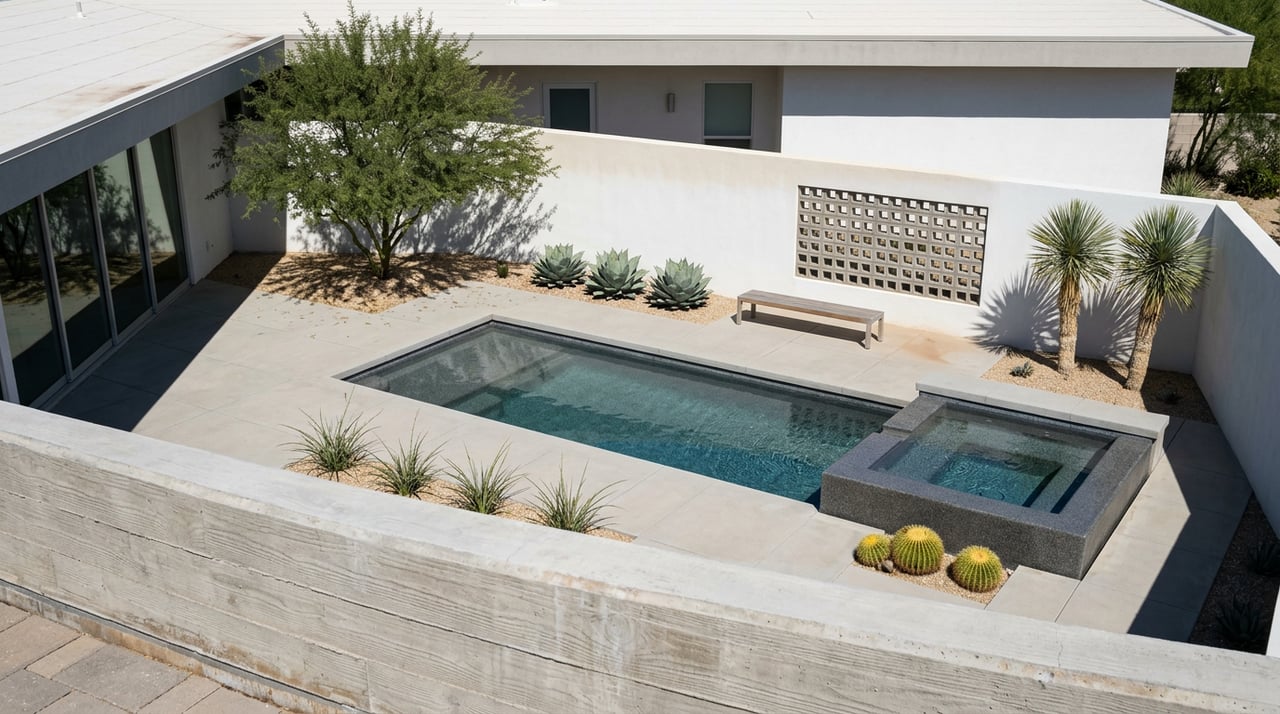
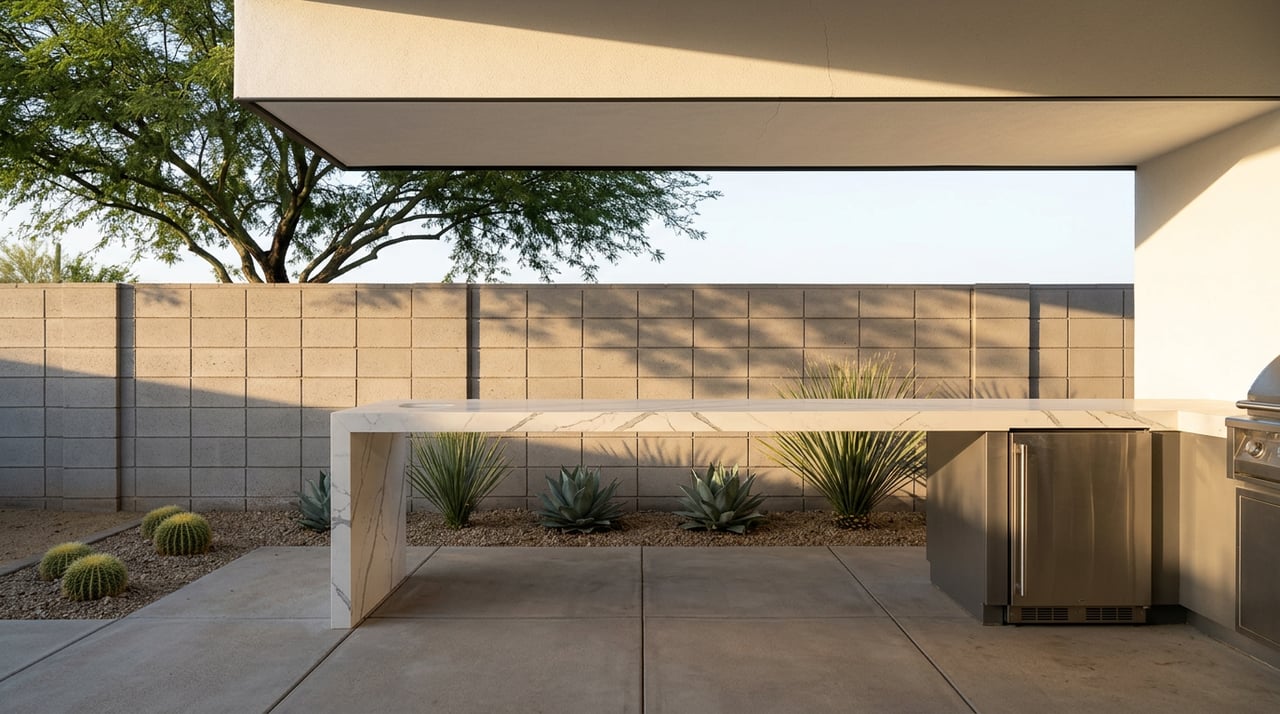
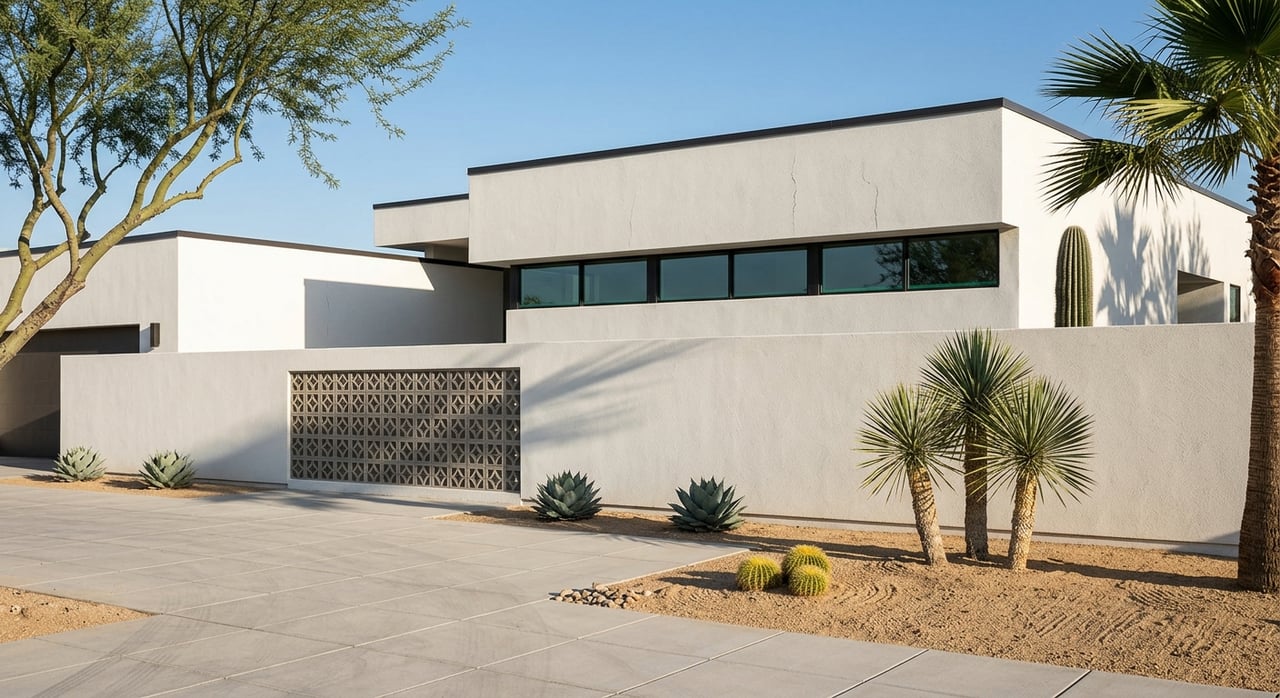
Indoor-outdoor flow also matters in this market. Buyers often gravitate toward homes that feel turnkey, open, and easy to enjoy during peak desert season, especially when the property is positioned for longer weekends or event-driven travel.
According to AirDNA, the most common amenities in Indio listings are air conditioning, internet, wireless internet, parking, and kitchen, each appearing in roughly 96% to 99% of listings. In other words, these features are not major differentiators. They are close to baseline expectations.
That matters when comparing properties. If a home lacks one of these basics, you may be starting at a disadvantage.
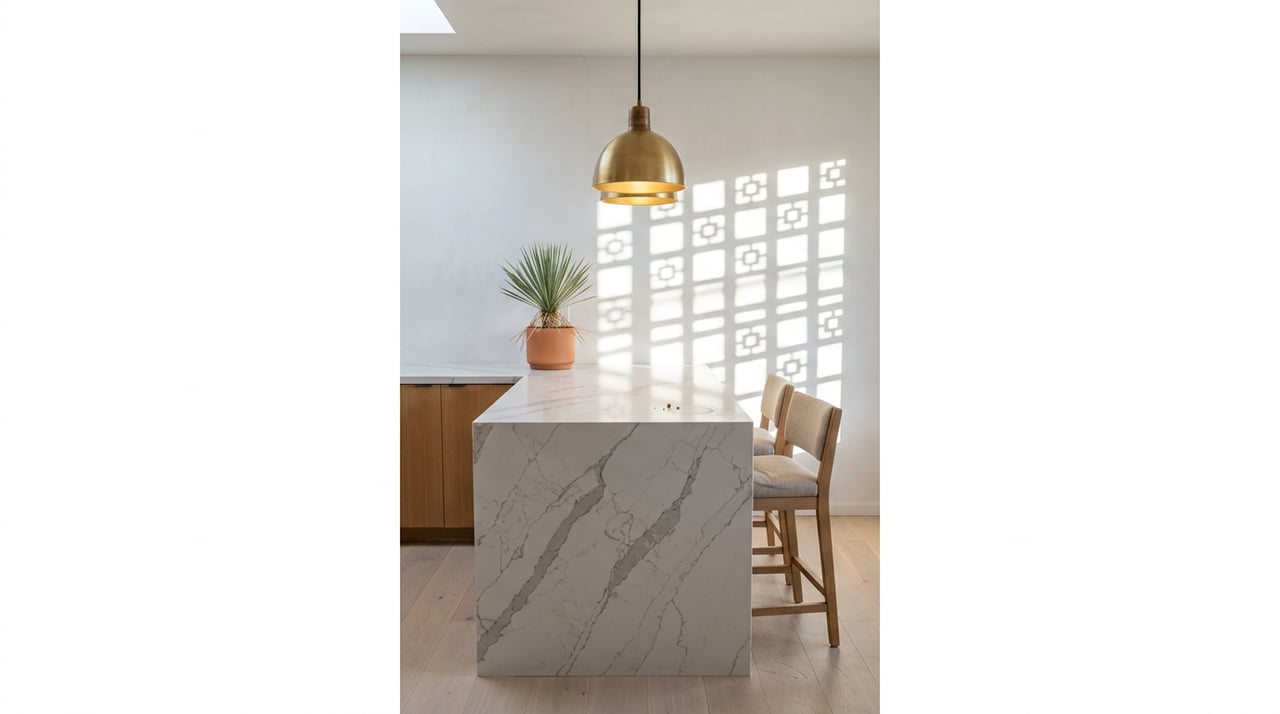
Features like pool usability, parking practicality, bedroom count, and overall presentation may have more impact on how the home competes within the local market. This is where a design-aware buying lens can be helpful, especially if you are considering a property with renovation upside.
Indio can offer strong demand during major event windows and the cooler months, but performance is not uniform year-round. Climate patterns and the city’s event schedule both point to winter and spring as especially important periods.
That makes seasonality a core part of your planning. If you want to reserve the home for personal use during peak months, your income potential may look different than a property that is available more consistently.
AirDNA also reports that 55% of local listings are available 271 to 365 nights per year. That suggests many owners operate close to full time, which is worth noting when you compare your own plans against local competition.
Before writing an offer on an Indio home for short-term rental use, focus on the items that can most affect your outcome:
A disciplined purchase is usually less about chasing the highest projected rate and more about reducing surprises. In a market like Indio, the best opportunities tend to be the ones that make sense on paper, fit the rules, and present well to the kind of guests the market already attracts.
If you are weighing an Indio purchase and want a more design-aware, numbers-conscious view of the options, Charles Gallagher can help you assess property fit, renovation potential, and the details that matter before you commit.
Stay up to date on the latest real estate trends.
If you are seeking to buy, sell, or invest in real property, the Gallagher Group invites you to engage in a conversation with them. Let's explore the possibility of embarking on this exciting journey together, where your goals and aspirations meet their expertise and unwavering passion.
Get in Touch With Charles to Learn More

Address 45000 Club Dr Indian Wells CA 92210