Palm Springs Historic vs New Luxury Homes: How to Choose
July 2, 2026
July 2, 2026
Palm Springs asks you to make a more personal choice than most luxury markets. Do you want the architectural story and character of a historic home, or the ease and performance of a newer build? If you are weighing both, you are not alone, and the right answer usually comes down to how you want to live, maintain, and enjoy the property over time. Here is what to know before you decide.
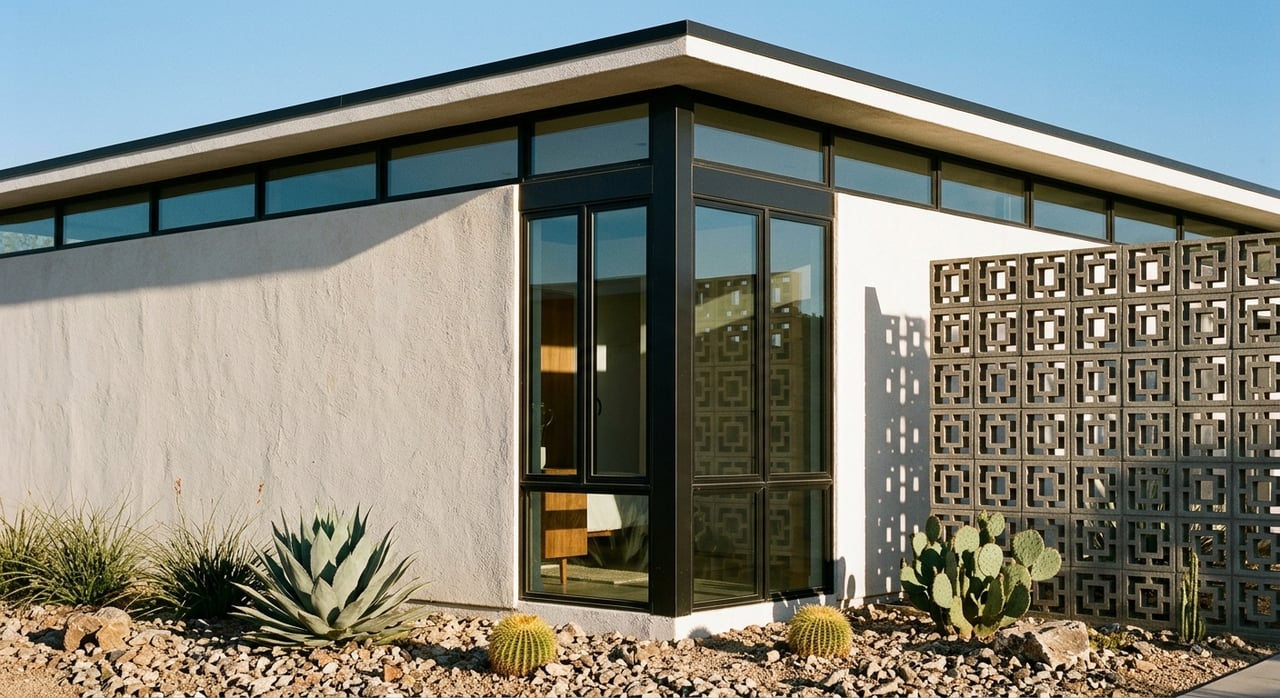
Palm Springs is not a market where one luxury home feels interchangeable with the next. The city is widely known for Mid-Century Modern architecture, and its design policies aim to preserve a modern urban village atmosphere while protect historical, architectural, recreational, and environmental quality.
That design identity shapes how buyers shop. In a city where much of the land is already built out, new development is often infill, hillside, or redevelopment, while older homes may sit within a broader historic framework that helps define neighborhood character.
Citywide market context also helps explain the choice. Redfin reported a median sale price of about $659,000 in May 2026, with homes averaging roughly 67 days on market in a somewhat competitive market. That is not luxury-only data, but it helps show why buyers often focus on both architectural distinctiveness and turnkey condition.
Historic homes in Palm Springs often appeal to buyers who want more than square footage and finishes. You may be drawn to architectural pedigree, a stronger sense of place, and details that feel specific to the city rather than easily replicated elsewhere.
Palm Springs supports that identity through historic preservation. The city’s Historic Site Preservation Board helps identify and recommend historic sites and districts, and the city says preservation is intended to protect places that reflect its cultural, social, economic, political, architectural, and archaeological history.
That matters because a historic home often brings built-in presence. In Palm Springs, the architecture itself can become part of the property’s value story, especially in a market with such a strong visual identity.
In Palm Springs, historic designation is not always as simple as a home being old. Historic districts can include both contributing and non-contributing structures, and the district itself helps define the overall character.
That means a home can be older without being officially designated historic. If you are buying for tax incentives, renovation plans, or preservation value, it is important to verify exactly how the property is classified.
One of the biggest financial reasons buyers look at historic homes is the Mills Act. The city describes it as an economic incentive that allows owners to use tax savings toward restoration, rehabilitation, preservation, and maintenance.
Palm Springs says tax reduction may be possible, in some cases up to 40% to 60%, although the Riverside County Tax Assessor determines the rate. Mills Act contracts also run with the land, which means they transfer to new owners.
For the right property, that can materially change the ownership math. Still, the key phrase is the right property.
Historic ownership can be rewarding, but it usually comes with more process. If you love the idea of a legacy property, it helps to know upfront where extra time, cost, or review may come into play.
In Palm Springs historic districts, exterior work is reviewed by the Historic Preservation Officer, and major alterations go to the Historic Site Preservation Board. The city also notes that owners making exterior changes face an added review step before a building permit is issued.
Even if a property is within district boundaries but not itself a historic character property, exterior work is still subject to the architectural review process. Existing conditions are generally grandfathered until new exterior work is proposed.
If you are the kind of buyer who wants to personalize a home quickly, this is an important reality check. Historic charm can come with a longer approval path.
Many buyers assume any older Palm Springs home may qualify for the Mills Act. That is not the case.
The city ties eligibility to specific historic classes or contributing sites, and non-contributing sites in a historic district are not eligible. Properties with active code-enforcement violations or non-permitted structures are also not eligible.
This is one of the most important details to confirm during your search. A home’s age alone does not create a tax advantage.
Older homes often begin from a different performance baseline than newer construction. The U.S. Department of Energy says many older homes have less insulation than homes built today, and single glazing is common in older buildings, while new efficient buildings typically use double or triple glazing.
In practical terms, a historic home may need earlier attention to insulation, air sealing, windows, or HVAC. If you value authentic architecture, that may be a trade-off you are happy to make, but it should be part of your budget and expectations.
New luxury homes usually appeal to buyers who want a cleaner ownership experience from day one. If your priority is turnkey living, modern systems, and more predictable maintenance, newer construction can be very compelling.
That advantage starts with code. As of January 1, 2026, the City of Palm Springs requires all new plan review and permit applications to comply with the 2025 California Building Standards Codes, and the California Energy Commission says the 2025 Energy Code applies to newly constructed buildings, additions, and alterations.
Current code standards matter because they usually support better insulation, tighter building envelopes, and more efficient glazing. The Department of Energy notes that insulation lowers heating and cooling costs, air sealing matters for whole-house performance, and efficient new buildings commonly use double or triple glazing.
For you as a buyer, that often translates to a more predictable operating profile. It can also mean fewer near-term surprises with major systems, windows, or envelope performance.
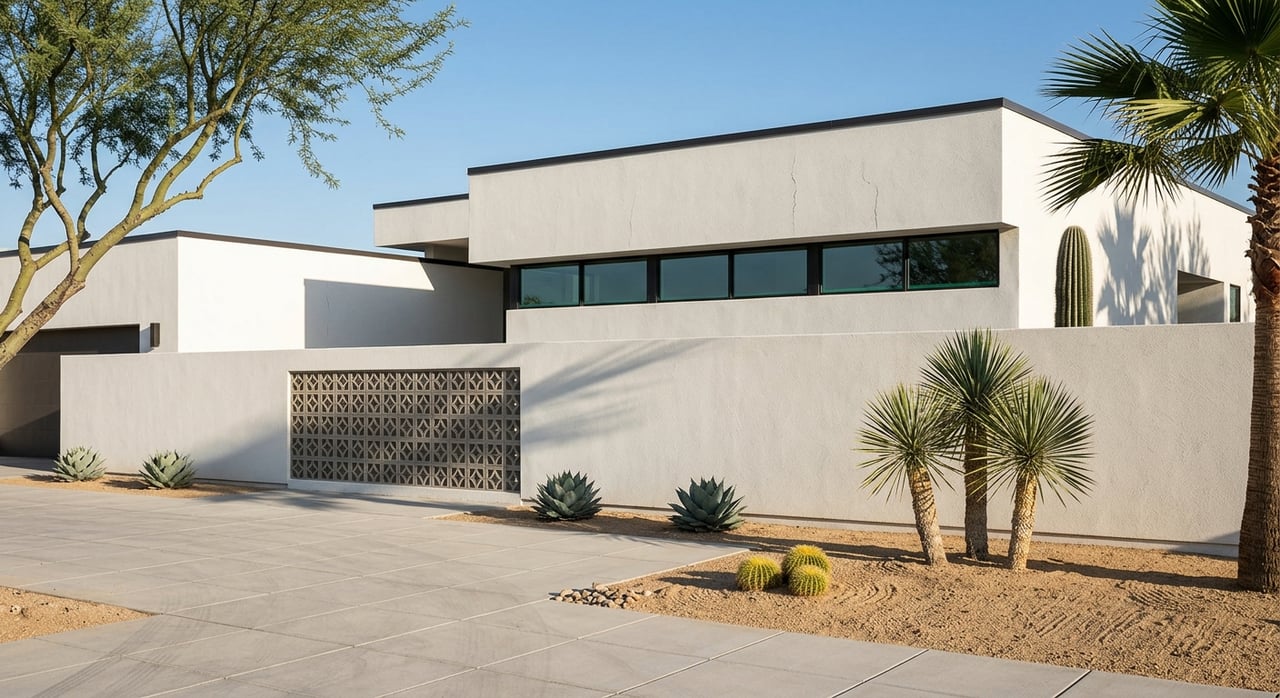
A newer home in Palm Springs does not get a free pass on design. The city says new structures should reflect Palm Springs’ diversity and creativity while remaining compatible with the city’s scale, character, and natural surroundings.
The city also encourages natural colors, materials, and textures that complement the desert palette. In other words, the best new homes here tend to feel intentional, site-aware, and visually grounded in Palm Springs rather than generic.
Palm Springs also encourages energy-conscious planning in new residential development that is subject to discretionary review. The city says solar photovoltaic systems are given preference as part of that review process.
For buyers who want a home aligned with current performance expectations, this is one more reason new construction can feel attractive. The home can be designed around modern comfort from the start.
Most buyers do not choose between historic and new based on age alone. They choose based on lifestyle, maintenance tolerance, design priorities, and how they want the home to function over the next several years.
| Decision Factor | Historic Luxury Home | New Luxury Home |
|---|---|---|
| Architectural identity | Often stronger and more distinctive | Can be striking when thoughtfully designed |
| Exterior changes | Usually more review in historic districts | Still reviewed, but generally within current planning and code process |
| Tax incentive potential | Possible through the Mills Act on eligible properties | Not applicable |
| Energy baseline | Often lower without upgrades | Usually stronger due to current code standards |
| Near-term maintenance | Often higher | Usually lower |
| Turnkey livability | Depends on renovation quality | Often a major strength |
Historic homes typically carry more long-term maintenance and a higher chance of aging-system work. New homes usually reduce those near-term burdens because the major systems, windows, and building envelope are newer.
That does not mean one is better in every case. It means you should match the home to your tolerance for projects, timing, and upkeep.
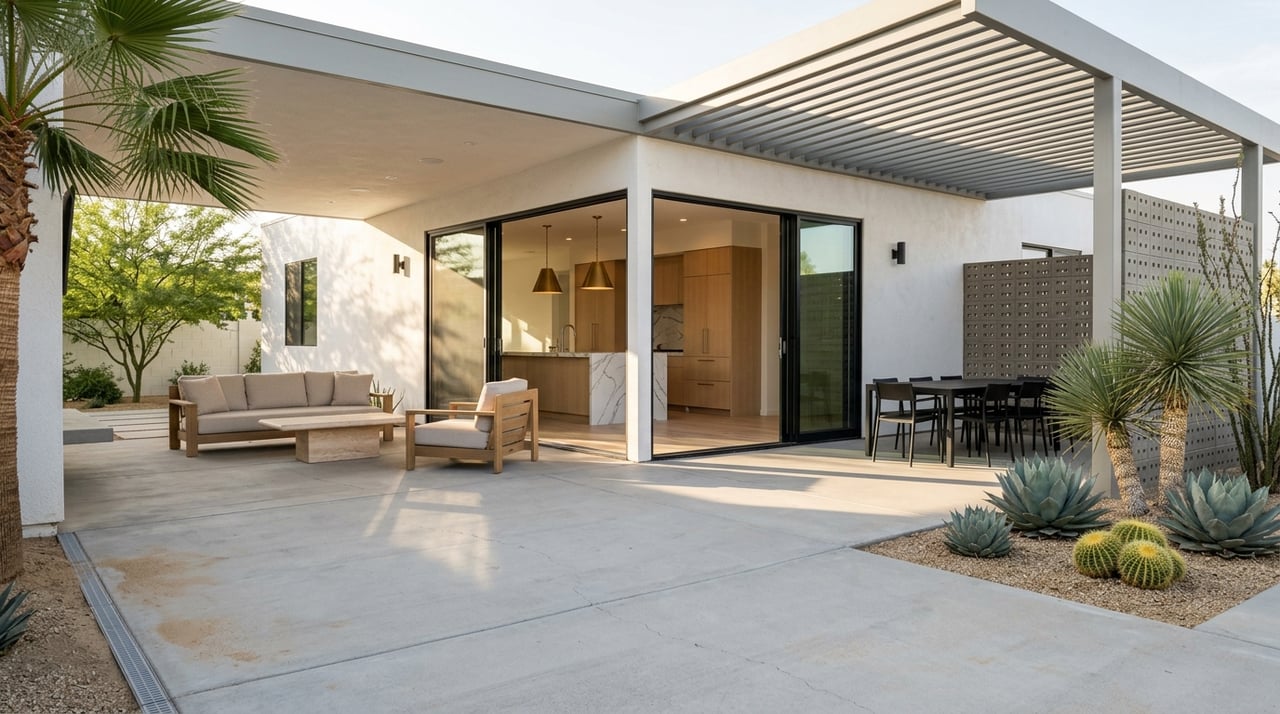
If you care most about original architecture, character details, and a curated indoor-outdoor aesthetic, a historic home may feel more emotionally right. If you care more about open plans, larger primary suites, home offices, storage, and easier lock-and-leave ownership, a newer home may fit your lifestyle better.
In Palm Springs, that is often the real fork in the road. Your daily use matters as much as the architecture.
Palm Springs has a powerful visual brand, and that affects resale and presentation. The city notes that it has been a filming destination since the 1930s, with iconic architecture, dramatic landscapes, and year-round sunshine that appeal to photographers and production crews.
Historic homes often have a natural edge in photography because the architecture already carries recognition. A strong facade, period details, and a clear design story can make the property immediately memorable.
New homes can photograph just as beautifully, but usually when the design is disciplined and the presentation is strong. In a market this style-conscious, buyers respond to homes that feel polished, intentional, and true to the desert setting.
For sellers, that is where design-informed guidance becomes especially valuable. Presentation is not just cosmetic in Palm Springs. It helps buyers understand the home’s identity and value.
There is no clean public study showing a universal premium for historic versus new luxury homes in Palm Springs. The most responsible conclusion is that both can perform well when they are well executed.
Historic homes may benefit from scarcity and architectural cachet. Newer homes may benefit from turnkey condition, energy performance, and broad buyer appeal.
In practice, value is usually driven less by era alone and more by location, views, renovation quality, authenticity, and how well the home fits a buyer’s lifestyle. In Palm Springs, a well-chosen home from either category can be a smart purchase if it aligns with how you want to live.
Before you decide, ask yourself a few honest questions. Do you want a home that tells a story the moment you arrive, or one that lets you settle in with minimal friction? Are you excited by stewardship and design nuance, or are you prioritizing efficiency and ease?
A thoughtful buying strategy in Palm Springs goes beyond style. You want to understand designation status, review constraints, renovation quality, and how the property will feel in daily life.
If you are comparing historic and new luxury homes in Palm Springs, working with an advisor who understands both design and value can make the decision much clearer. If you want a refined, data-informed perspective on which type of property best fits your goals, connect with Charles Gallagher.
Stay up to date on the latest real estate trends.
If you are seeking to buy, sell, or invest in real property, Charles invites you to engage in a conversation with him. Let's explore the possibility of embarking on this exciting journey together, where your goals and aspirations meet his expertise and unwavering passion.
Get in Touch With Charles to Learn More

CHARLES GALLAGHER | CA DRE# 02073898
Address 45000 Club Dr Indian Wells CA 92210