How La Quinta Luxury Home Architecture Shapes Style
June 18, 2026
June 18, 2026
What makes a luxury home in La Quinta instantly feel like La Quinta? Often, it comes down to architecture. From romantic arches and clay tile roofs to crisp horizontal lines and mountain-framing glass, the homes that stand out here are shaped by desert climate, resort history, and a strong sense of place. If you are buying, selling, or simply studying the market, understanding these styles can help you see value more clearly. Let’s dive in.
La Quinta’s setting has a lot to do with its architecture. The city sits on the floor of the Coachella Valley near the Santa Rosa Mountains, with hot, sunny summers, mild winters, average rainfall under 5 inches, and an average temperature of 75 degrees.
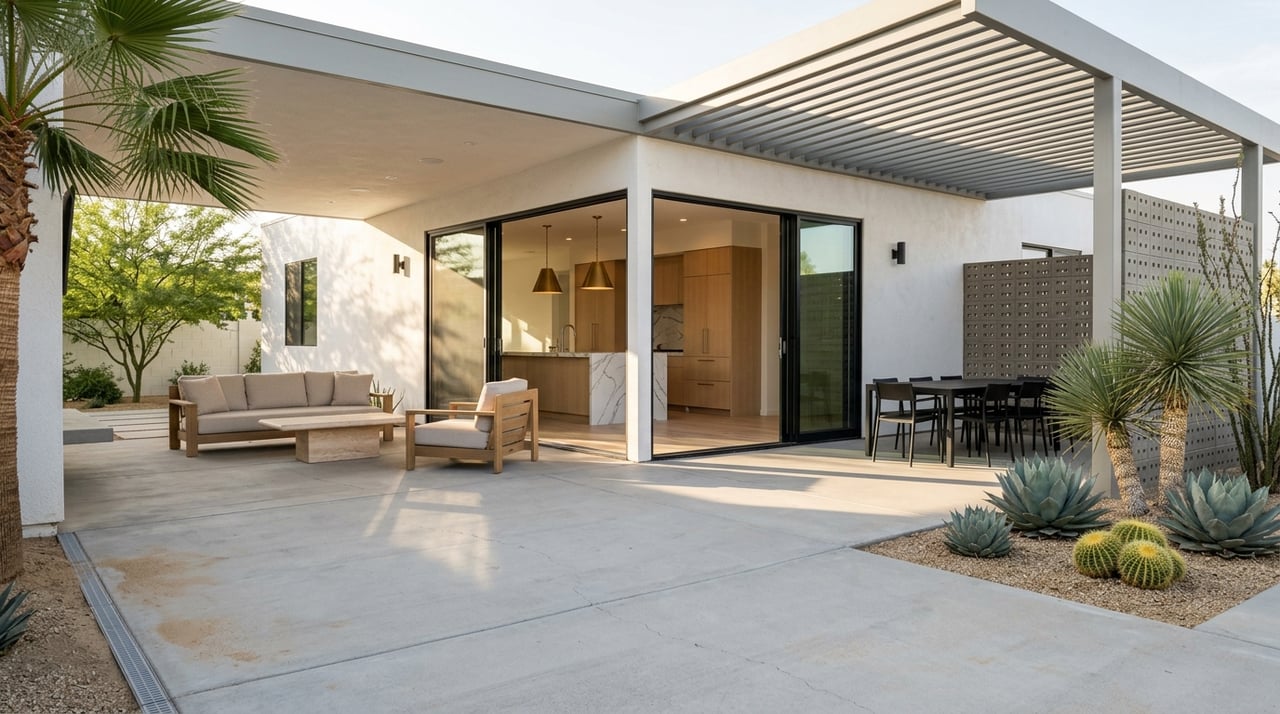
That climate has influenced how homes are designed. The city’s planning guidance says residences should respond to sun orientation, prevailing winds, and views with features like patios, courtyards, arcades, plazas, passageways, and roof overhangs. In La Quinta, indoor-outdoor living is built into the architecture itself.
The city’s resort history also plays a major role. La Quinta says the La Quinta Resort was established in 1926, and the property remains an iconic part of the city’s heritage. Its preserved Spanish Colonial Revival character helped shape the visual language many buyers still associate with La Quinta luxury today.
Spanish Colonial Revival is one of the clearest architectural signatures in La Quinta. The city’s historic survey says this style dominated areas tied to early resort development, residential subdivisions, and commercial districts. It also notes that La Quinta Cove was the first residential subdivision within the city boundaries built with Spanish Revival style homes.
In practical terms, this style is known for low-pitched terra cotta roofs, smooth stucco siding, arched windows and doors, asymmetrical facades, balconies and patios, and ornamental grille work. These details create depth, texture, and shade, which fit the desert environment well.
A related local expression appears in what planning documents describe as La Quinta style. This Spanish-inspired blend often includes clay tile roofs, little or no eave overhang, simple roof forms, prominent arches, and a tower-like accent at the entry.
For buyers, these homes often feel warm and resort-oriented. For sellers, this style can be especially compelling in listing photography because stucco walls, arches, courtyards, and layered exterior details create a strong visual story in bright desert light.
Many buyers respond first to atmosphere. With Spanish Colonial Revival and La Quinta style homes, that usually means a sense of softness, shade, and character.
Features that often shape that reaction include:
If you are comparing homes, this style often appeals to those who want a more textured and classic desert look rather than a minimal one.
Mediterranean Revival is another style that appears in La Quinta’s luxury market, especially on larger parcels. The city’s historic survey describes it as an eclectic style with roots in Italian Renaissance palazzos and villas, along with influences from Spanish Colonial Revival, French Eclectic, and Beaux Arts traditions.
This style is generally associated with estate-like massing. Local examples may include hipped or flat roofs, bracketed eaves, arched porches, cast plaster details, wrought iron balconies, and two- to three-story forms.
Compared with Spanish Colonial Revival, Mediterranean Revival often reads as more formal. The scale, symmetry, and classical detailing can give these homes a grander presence, especially in neighborhoods where lot size and architecture work together to create a resort-estate feel.
For sellers, this distinction matters. A Mediterranean Revival home is often marketed not only through finishes, but through proportion, approach, and the sense of arrival created by the facade.
If you are touring several luxury properties, Mediterranean Revival often stands out in a few key ways:
This style can be a strong match for buyers who want traditional luxury with a more substantial visual footprint.
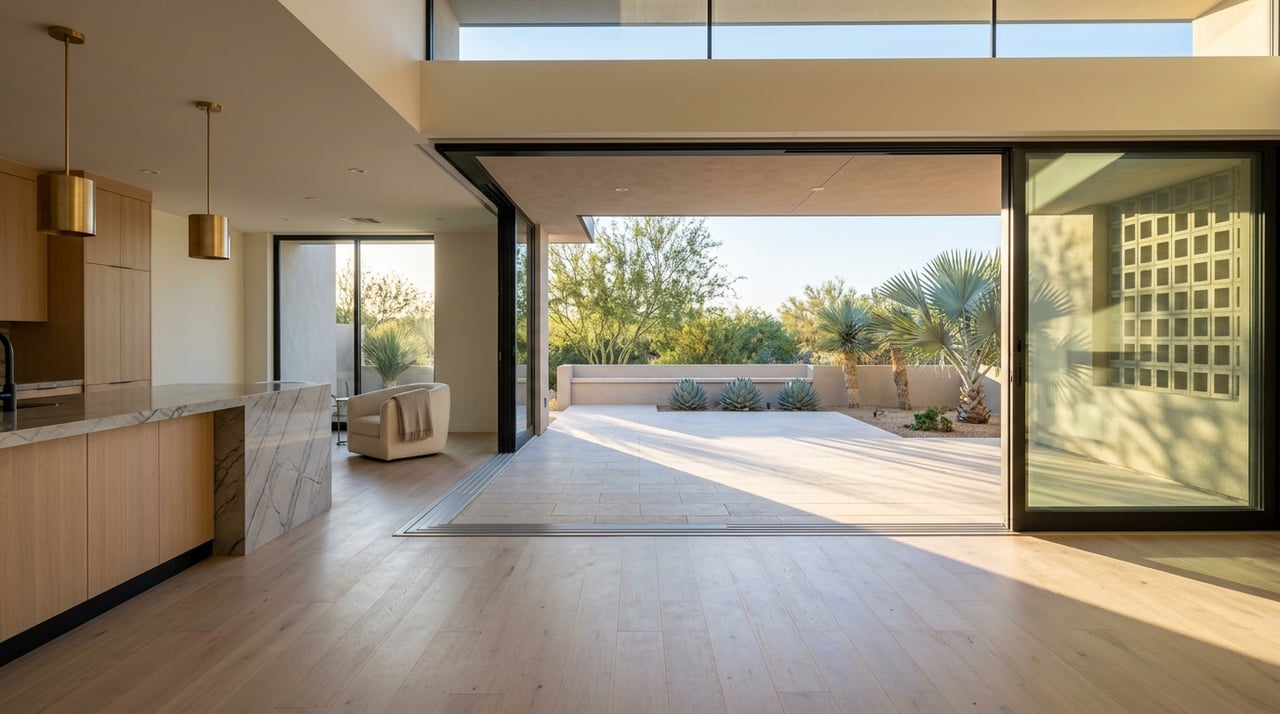
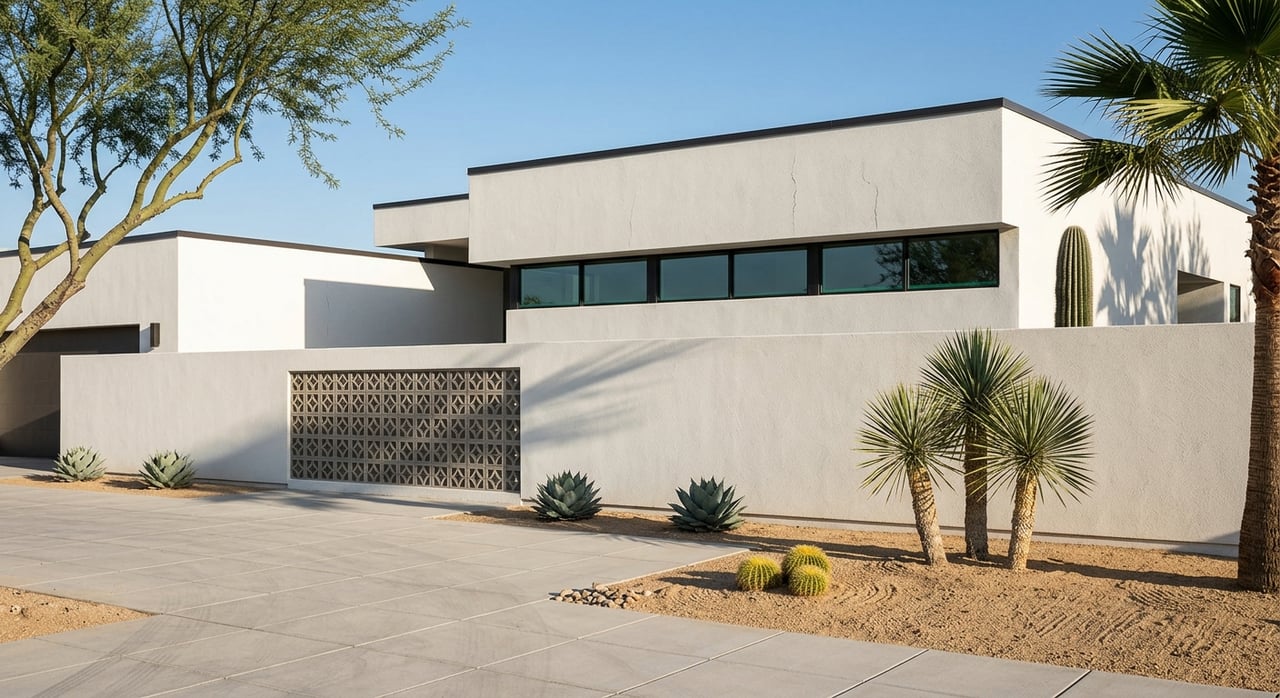
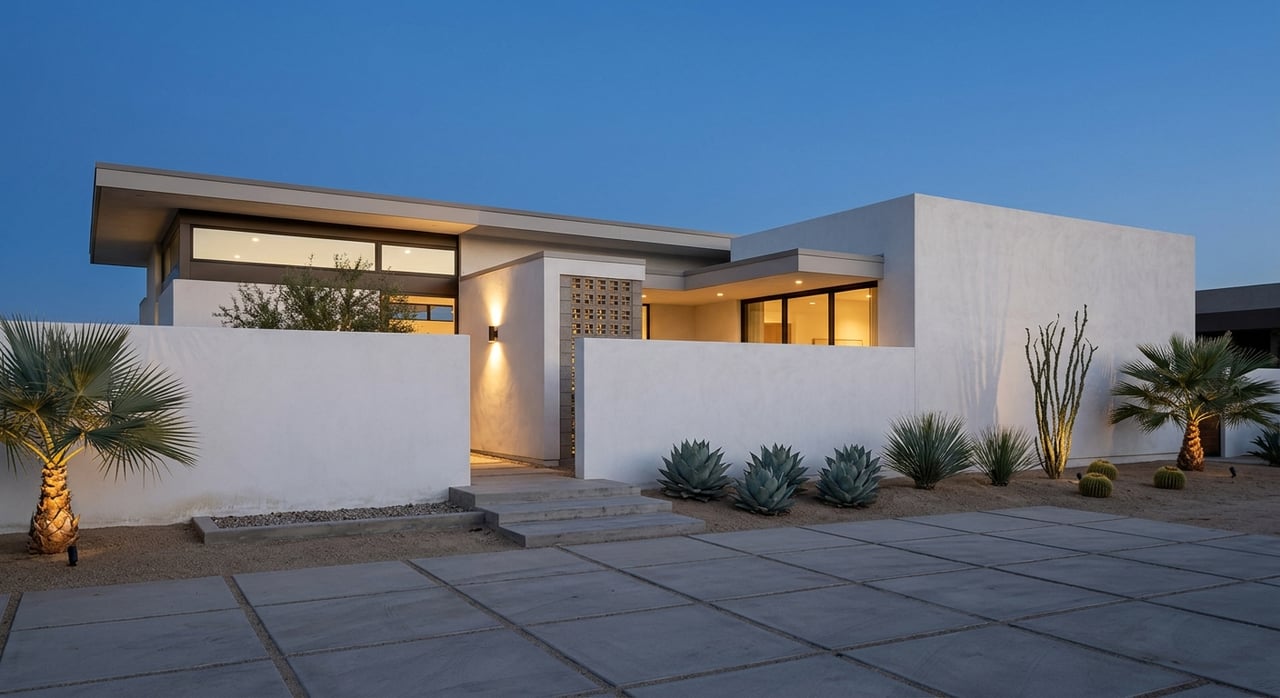
Contemporary design has become increasingly visible in La Quinta, especially in newer luxury development. The city’s historic survey says Contemporary style single-family homes were largely built in the Cove, while larger Contemporary homes were built in private country clubs such as La Quinta Country Club Estates.
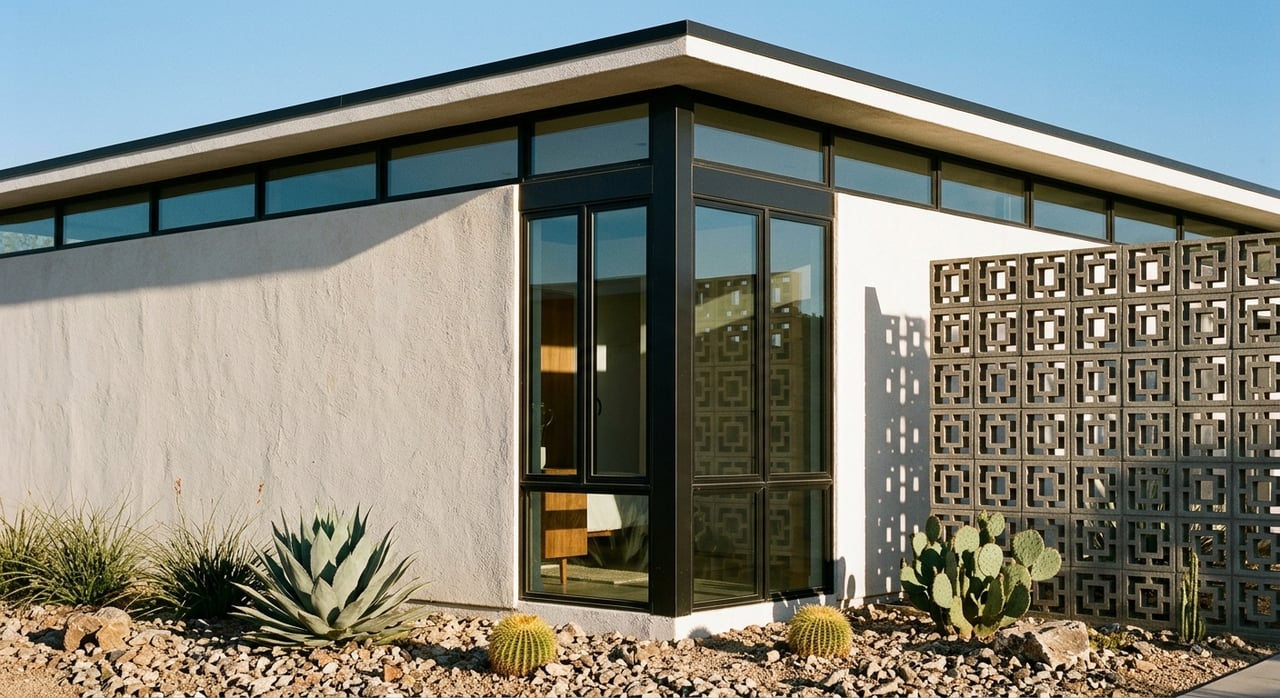
The style description includes strong horizontal emphasis, broad overhanging eaves, central entries without porches, entry courtyards or recessed corner entries, wing walls, exposed roof beams, broad uninterrupted wall surfaces, and horizontal bands of windows. Together, those features create a more linear and view-focused feel.
More recent planning activity suggests this design direction is still growing. The Coral Mountain Club update says the west side of the project would shift to a more contemporary architectural style from the Spanish architecture approved on the east side. The Travertine project page also says its design guidelines allow for common contemporary desert-themed architecture.
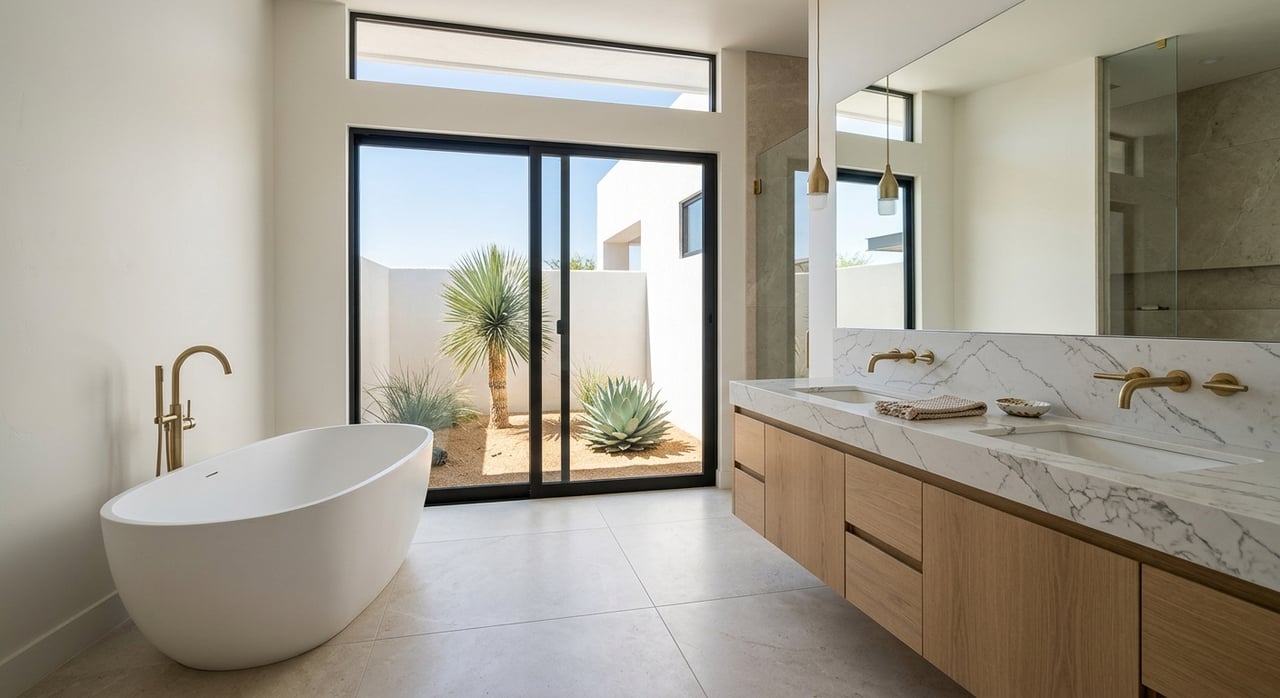
For many buyers, Desert Contemporary is the style that feels cleanest and most current. It often emphasizes openness, long sightlines, and a close connection between the home, outdoor living areas, and the mountain backdrop.
The experience of a contemporary home usually comes from line, light, and openness. Rather than leaning on ornament, these homes often rely on composition.
Common traits include:
This style often appeals to buyers who want a lighter, more modern resort feel.
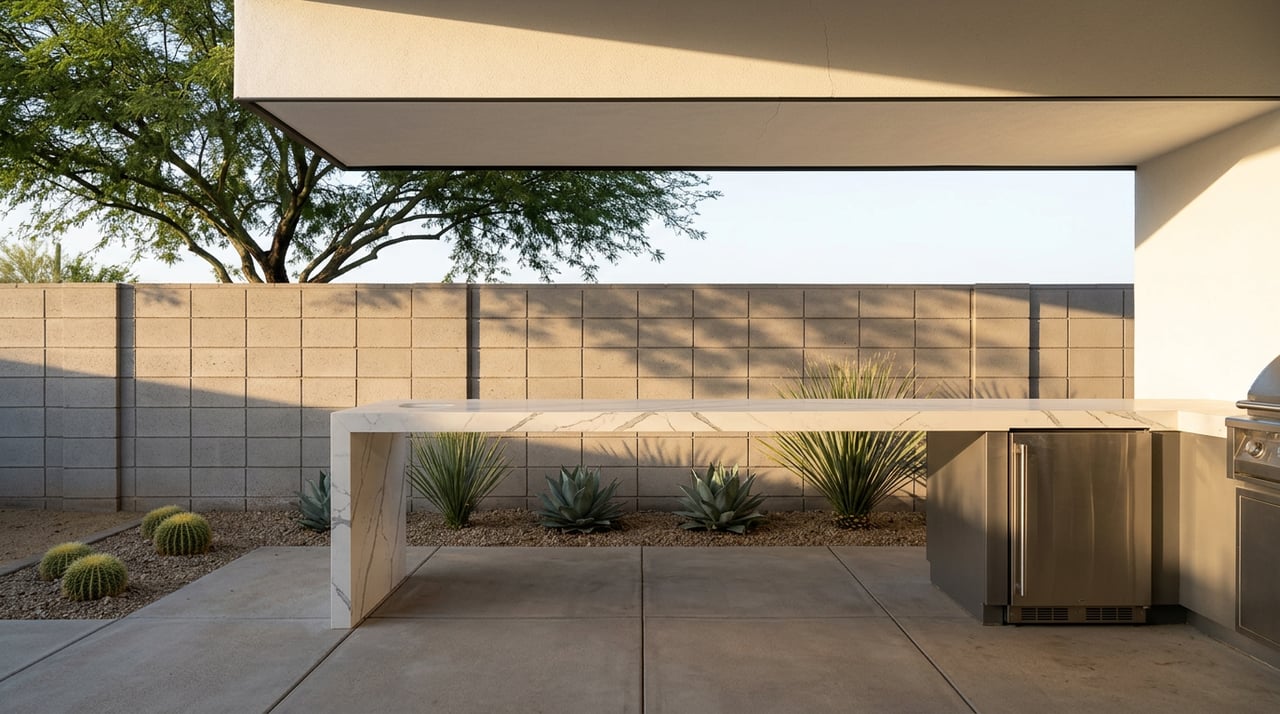
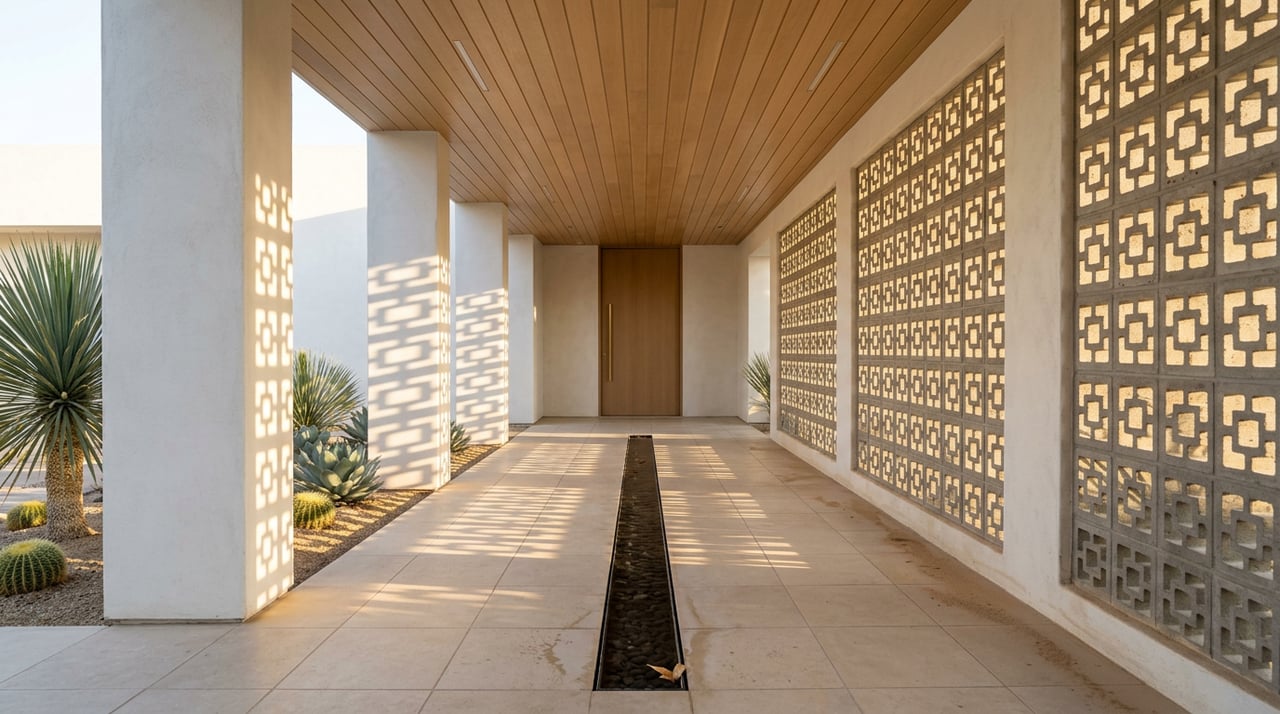
In La Quinta, architecture is only part of the visual experience. The city’s current landscape rules describe desert landscape as decomposed granite, colored gravel, spotted plants, and a supporting irrigation system.
That matters because many luxury homes are judged as a whole composition. On a contemporary property especially, the building, hardscape, and drought-conscious planting often work together to create the final impression.
For sellers, this is a useful reminder. A polished exterior presentation is not just about the house itself. Landscape choices, hardscape condition, and how the approach feels from the street can shape buyer perception before anyone steps inside.
One helpful way to understand La Quinta luxury architecture is by emotional response. Buyers drawn to arches, tile, stucco, and courtyards are often reacting to Spanish Revival or La Quinta style. Buyers who want more scale and formality often lean toward Mediterranean Revival.
Those who prefer stronger horizontals, larger openings, and a more current resort feel usually gravitate toward Contemporary or Desert Contemporary homes. These reactions are interpretive, but they align with the city’s descriptions of each style.
Maintenance expectations also tend to vary by style. Spanish and Mediterranean homes often bring more attention to stucco, tile, iron, and courtyard landscaping. Contemporary homes tend to shift attention toward glazing, shading, drainage, and the condition of outdoor hardscape.
In the luxury market, style is not just a design preference. It shapes how a home is photographed, how it is positioned, and which buyers respond first.
Spanish and Mediterranean homes often photograph best when images capture shadow, texture, and layered materials. Contemporary homes usually benefit from photos that highlight clean geometry, open sightlines, and the relationship between the structure and the landscape.
That difference can influence how a listing is prepared for market. A design-forward marketing strategy should reflect the home’s architecture, not flatten it into a one-size-fits-all presentation.
For sellers in La Quinta, that is especially important. When the architecture is understood and presented well, buyers can connect more quickly with the home’s identity and value.
If you are buying, architectural style can help you narrow the field faster. Instead of sorting only by square footage or price, you can also ask which environment feels most like you.
If you are selling, style helps define the best presentation strategy. A home with arches, courtyards, and tile details may call for a different visual approach than one built around glass, horizontals, and crisp exterior lines.
That is where local design knowledge can make a real difference. In a market like La Quinta, the strongest results often come from pairing market insight with a clear understanding of how architecture shapes buyer response. If you are considering your next move in the desert luxury market, Charles Gallagher offers design-informed guidance for both buyers and sellers.
Stay up to date on the latest real estate trends.
If you are seeking to buy, sell, or invest in real property, Charles invites you to engage in a conversation with him. Let's explore the possibility of embarking on this exciting journey together, where your goals and aspirations meet his expertise and unwavering passion.
Get in Touch With Charles to Learn More

CHARLES GALLAGHER | CA DRE# 02073898
Address 45000 Club Dr Indian Wells CA 92210