Leave a Message

Thank you for your message. We will be in touch with you shortly.

How To Price A Renovated Luxury Home In Palm Desert

February 19, 2026

Pricing a renovated luxury home in Palm Desert can feel tricky. You poured time and money into design, but how do you translate that into a number buyers and appraisers will accept? You want to capture your upgrade value without letting the listing sit. This guide gives you a clear, design‑smart pricing plan tailored to Palm Desert’s resort market so you can list with confidence. Let’s dive in.

Know your Palm Desert context

Palm Desert is a high‑activity, seasonally influenced market within the Coachella Valley. Winter and spring bring strong buyer traffic, while summer slows. Local market summaries underscore the valley’s ebb and flow, so timing and micro‑location matter when you price. You are not pricing one uniform neighborhood. You are pricing a resort city with many submarkets. See the valley context in this local market update.

The buyer mix skews toward retirees, second‑home owners, and seasonal “snowbird” buyers. That affects what renovations carry weight. Features like low‑maintenance outdoor living, smart cooling, and first‑floor primary suites often resonate with this demographic. For a quick demographic snapshot, review Palm Desert’s population profile.

Define “luxury” the right way

In pricing, “luxury” is relative to the local distribution, not a fixed dollar amount. A practical rule: treat the top local tier as entry luxury, then consider high‑end and ultra‑luxury above that. Confirm which tier your home competes in before you pull comps.

Start with the right comps

Comps are the backbone of your price. Focus on location first, then property specifics.

  • Match the micro‑market. Use the same neighborhood or golf community when possible, and account for view quality, lot size, and orientation.
  • Look at a meaningful time window. In shifting markets, review up to 12 months and explain any date adjustments. Appraisers are required to analyze trends over time, and your CMA should mirror that discipline. See guidance on market trend analysis in Fannie Mae’s selling guide.
  • Include actives and pendings. Closed sales show what the market validated. Actives and pendings show your competition today.

Grade condition and design, then adjust

Price per square foot is a starting point, not the finish line. Create a simple quality scale for condition and design so you can make consistent adjustments:

  • A: Recently renovated, designer level
  • B: Updated, tasteful but standard
  • C: Original or dated

Make dollar adjustments for high‑value items you can verify: kitchens, primary baths, pool and spa, guest casita, systems, irrigation, and hardscape. Support your adjustments with invoices and regional cost benchmarks. Appraisers lean on narrative and documentation for unique upgrades, as discussed in this guidance on appraising unique properties.

When comps are thin, run a cost check

If the design is distinctive or the comp set is light, supplement your CMA with a replacement‑cost cross‑check. Show estimated build cost today, minus depreciation, plus land value. This helps anchor value for custom work and one‑of‑a‑kind features. The same unique‑property guidance above explains why a cost approach can support your case.

Plan for appraisal risk early

At the top of the market, appraisal sensitivity rises. Reduce surprises by preparing an appraisal package before you list: permits, invoices, specs, warranties, and a comp narrative. For unique or very high‑end listings, consider a pre‑listing appraisal or consultation to understand the likely ceiling. For lender context, review Fannie Mae’s valuation FAQs.

Show your renovation math

A clean evidence packet turns design into dollars. Gather:

  • Itemized renovation costs and dates with contractor invoices
  • Permits and final inspections, plus notes on any open permits
  • Designer or architect credits, appliance model lists, warranties, and service history
  • Before‑and‑after photography and measured floor plans
  • Utility and water‑use evidence, including irrigation upgrades and any local rebates

California law requires sellers to disclose known defects and unpermitted work. Clear, complete documentation builds buyer trust and supports premium pricing. Review an overview of California disclosure expectations here: seller disclosure basics.

In Palm Desert, water‑wise upgrades matter for both operating costs and compliance. If you converted turf to a desert‑appropriate landscape or modernized irrigation, include your rebate paperwork. The Coachella Valley Water District outlines programs and FAQs for turf conversion and irrigation efficiency at the CVWD site.

What adds value in Palm Desert

Not all renovations return value the same way. In a resort desert market, these categories carry outsized weight.

Kitchens and primary baths

Regionally, modest kitchen refreshes have shown some of the highest cost‑recoup percentages in recent Cost vs Value reporting, with midrange projects often topping 100 percent recoup on paper. Full bespoke kitchens can be less dollar‑for‑dollar but still boost buyer pull and time on market. See the latest trends in the 2025 Cost vs Value analysis.

Tips:

  • Keep finishes cohesive and widely appealing at the luxury tier.
  • Document brand names, model numbers, and warranties to support adjustments.

Floor plan and livability

Changes that improve livability usually outpace cosmetic upgrades. Open flow, a first‑floor primary suite, and a flexible office or casita are frequent buyer asks across age groups. When plans are heavily reworked, appraisers either find layout‑similar comps or lean on a cost approach to quantify the benefit. See buyer preference context in NAR’s generational trends report.

Outdoor living, pools, and shade

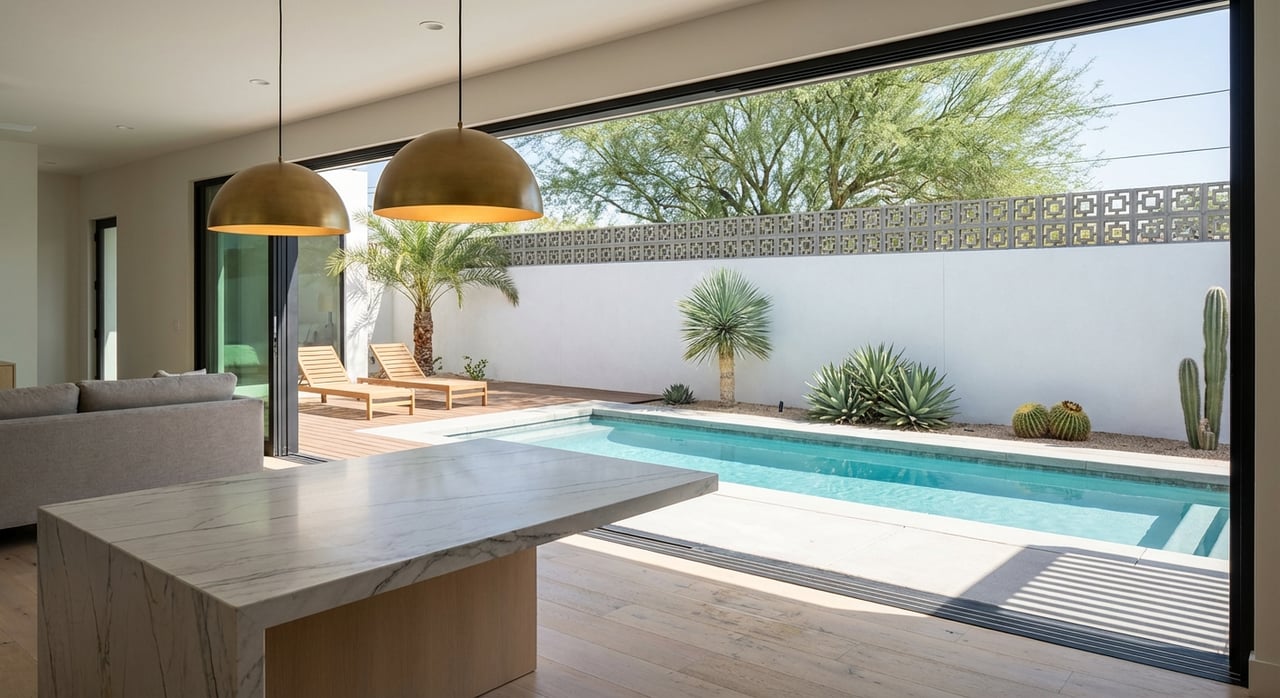
In Palm Desert, the yard is an extension of your living room. Covered seating, outdoor kitchens, shade structures, quality paving, and efficient pools are high‑impact. Industry remodel data shows decks, patios, and outdoor projects can recoup a significant share of cost, though results vary by scope and execution. Review outdoor ROI context in the 2025 Cost vs Value trends.

Caveats:

  • Pool value is site specific. On smaller lots or poor orientations, the premium can be limited.
  • Pair any pool with shade, seating, and low‑maintenance hardscape to amplify value.

Water‑smart landscaping and operating costs

Desert‑appropriate planting, efficient irrigation, and turf‑conversion rebates can strengthen buyer confidence. Include receipts and CVWD paperwork in your packet. The CVWD FAQ is a helpful reference for local programs buyers will ask about.

Listing price tactics that work

Every strategy starts with your goals, days‑on‑market tolerance, and carrying costs.

  • Price near the top comp when depth exists. If several strong, comparable sales support your tier and you have impeccable visuals and documentation, a price at or slightly above the top comp can be justified.
  • Price to drive traffic when the buyer pool is thin. In narrower tiers, a more conservative ask can spark showings and multiple‑offer dynamics that pull you to market value.
  • Manage search brackets. Pricing that tips into a new online bracket changes who sees your home. Choose a number that keeps you visible to your target audience.
  • Prepare for appraisal gaps. If a contract price exceeds conservative appraisals, your evidence packet matters. Options include a pre‑listing appraisal, a buyer covering a gap with cash, a lender review, or negotiated appraisal‑gap language. See lender context in Fannie Mae’s FAQs.

A simple pricing workflow you can follow

Use this as a checklist before you pick your list price.

  1. Define your tier
  • Confirm whether the home sits in entry luxury, high‑end, or ultra‑luxury for its micro‑market.
  • Identify your primary buyer profile: full‑time local, seasonal, or second‑home.
  1. Build your comp set
  • Pull 3 to 6 closed sales, plus 3 to 6 active and pending listings from the same submarket.
  • Note view, lot size, orientation, and community amenities.
  • Review up to 12 months for trend context, then apply date adjustments as needed. Reference Fannie Mae’s time‑trend guidance.
  1. Quantify renovations
  • Create your A, B, C condition scale.
  • Itemize premium features: kitchen, primary bath, flooring, windows and doors, pool and equipment, casita, landscape and irrigation, HVAC.
  • Support each item with invoices, permits, and warranties. See tips for unique properties in this appraisal resource.
  1. Cross‑check with cost
  • If comps are thin or adjustments are large, run a replacement‑cost check to avoid overreach.
  1. Package for the appraiser and buyer
  • Assemble a clean binder or digital folder with permits, invoices, specs, photos, floor plans, CVWD rebate documents, and a one‑page value summary. Use the CVWD FAQ for water‑use context buyers appreciate.
  1. Set the strategy
  • Decide on a pricing lane: top‑of‑comp ask with proof, or traffic‑first pricing to create momentum.

Avoid common pitfalls

  • Overpricing unique finishes without documentation. High spend is not automatic value. Prove it.
  • Ignoring permits or disclosures. California requires transparency, and unpermitted work can hurt value and financing. Review seller disclosure basics.
  • Skipping seasonality. Lean into stronger showing windows when possible. See a valley overview in this market update.
  • Undervaluing views and orientation. Mountain outlooks, privacy, and shade patterns are material in the desert.

Ready to price with confidence

A design‑forward renovation deserves a data‑driven price and a premium presentation. If you want a boutique, hands‑on approach backed by national luxury reach and polished visuals, connect with Charles Gallagher to build a pricing and launch plan tailored to your home.

FAQs

How do I define the luxury tier for my Palm Desert home?

  • Start by placing your home within its micro‑market’s top tier based on recent sales, then confirm with a focused comp set. Luxury is relative to your submarket, not a fixed number.

Will my designer finishes recoup their full cost at resale?

  • Sometimes. Recent Cost vs Value trends show midrange kitchen refreshes often recoup a high share of cost, while ultra‑custom work improves appeal but may not return dollar‑for‑dollar. See the 2025 analysis.

Do outdoor upgrades really matter in Palm Desert?

  • Yes, especially shaded, low‑maintenance outdoor living paired with efficient pool systems. Industry data shows decks, patios, and outdoor kitchens can recoup significant cost. Water‑wise landscaping supported by CVWD programs adds buyer confidence.

What if the appraisal comes in lower than my contract price?

  • Prepare early. Provide a full valuation packet, consider a pre‑listing appraisal, and discuss options like buyer cash coverage or lender review. See Fannie Mae’s valuation FAQs for context.

Do I need permits to price my renovated home at the top of the market?

  • Proper permits and clear documentation support premium pricing and reduce financing risk. California requires disclosure of known defects and unpermitted work. Review seller disclosure basics.

Work With Charles

If you are seeking to buy, sell, or invest in real property, Charles invites you to engage in a conversation with him. Let's explore the possibility of embarking on this exciting journey together, where your goals and aspirations meet his expertise and unwavering passion.